
Key Takeaways
- Early transitions help your parent adapt smoothly to a new environment.
- Skipped meals and safety hazards signal a need for specialized senior care.
- Crisis moves create unnecessary stress for you and your loved one.
- Medical care at home keeps residents comfortable and reduces frequent hospital visits.
- Professional support lets you return to being a supportive family member.
The Right Time For Memory Care
You watch your parent struggle with daily routines that used to feel effortless. You might notice unopened mail piled up or unpaid bills on the kitchen counter. Moving a loved one to memory care early can help them settle into a safe environment while they still have the cognitive ability to adjust smoothly.
Many families wait for an emergency before looking at Bel Rae Senior Living. This delay leads to rushed choices during stressful moments. A timely move helps your family member find comfort before safety becomes a constant concern.
Early Signs It Is Time For Memory Care
Changes In Daily Routine And Habits
You might notice skipped meals and forgotten daily appointments. Cooking can start to feel too complicated for your loved one. Pay attention to new difficulties with personal hygiene like wearing the same clothes for 3 or 4 days.
Watch for a withdrawal from familiar social hobbies they used to enjoy. A sudden lack of interest in a gardening club serves as a clear warning sign. These shifts often indicate they feel confused by fast conversations.
Safety Concerns Around The House
An unattended stove quickly creates a major fire hazard at home when someone forgets they started cooking dinner. You might find burnt pots or melted plastic in the kitchen sink. Frequent trips and falls show a clear need for extra support.
Cluttered hallways quickly turn into serious risks. Late day confusion requires constant supervision to prevent someone from wandering outside alone.
Caregiver Exhaustion And Stress
You probably feel constantly tired and completely overwhelmed by daily duties. Your own personal health begins to suffer when you put all your energy into helping someone else. Sleep deprivation makes simple daily tasks much harder to complete.
The Hidden Risks Of A Late Transition
Crisis Moves Cause Stress
Unexpected hospital visits often force rushed decisions. A sudden emergency replaces thoughtful choices with panic. Sudden moves prevent proper mental preparation for both you and your loved one.
Harder Adjustment To New Environments
Severe memory loss makes new places feel scary and overwhelming. A late move removes the ability to understand a new floor plan or recognize new faces. Trust with the care team takes much longer to form when someone feels disoriented.
Daily routines become difficult to establish later. Your family member might struggle to locate their own bedroom. This delayed start often leads to increased frustration.
How An Early Move Helps Your Loved One
Easier Adaptation To Community Life
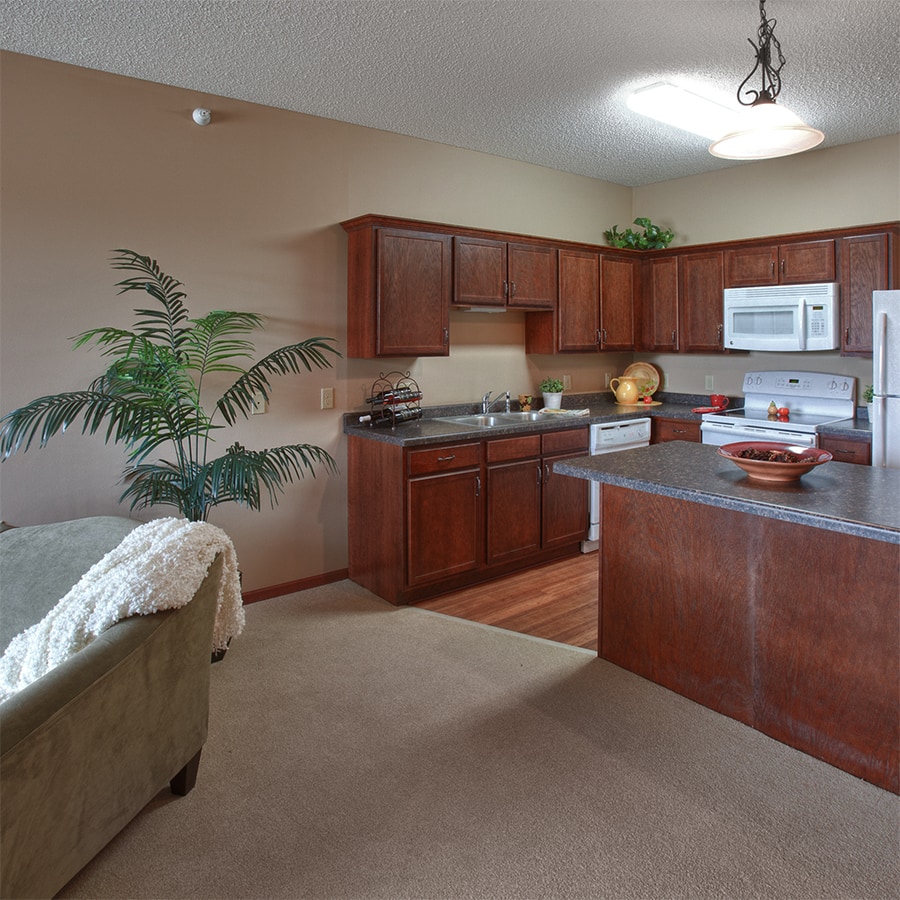
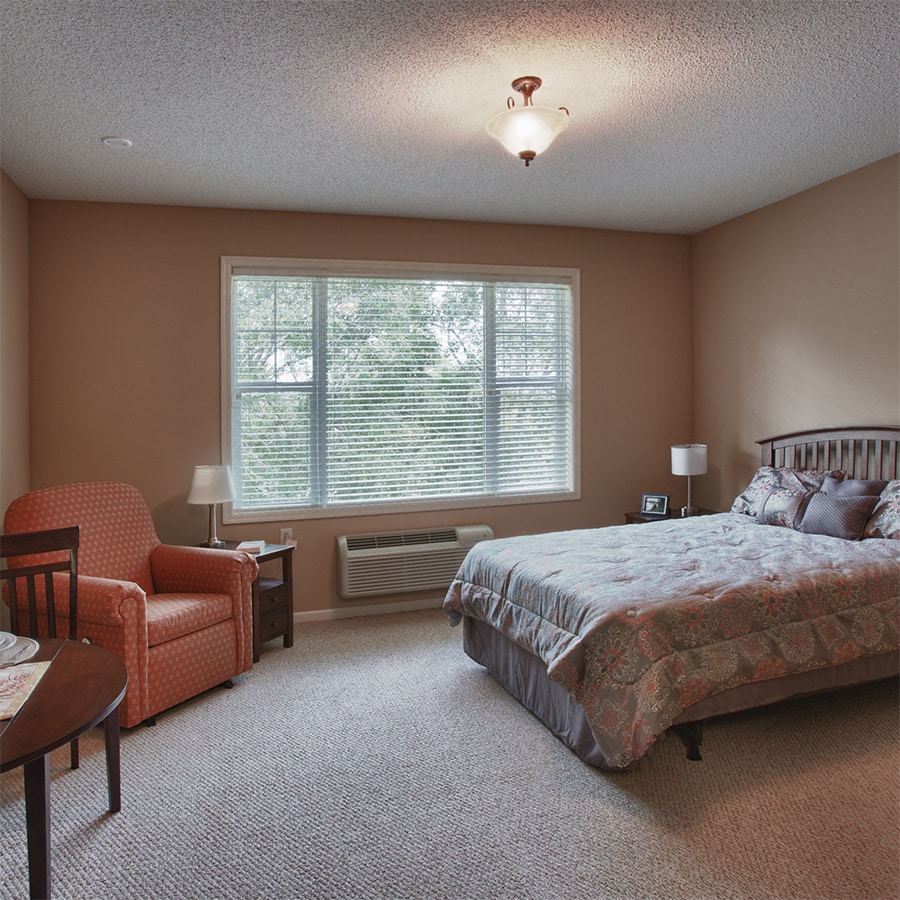
An early move helps familiar habits transfer smoothly to new spaces. Your loved one retains a strong voice in decisions about their daily schedule. This participation builds comfort in their new apartment.
Friendships form naturally while communication skills remain strong. Your parent can chat with neighbors and share stories about their past. Building this social circle early creates a safety net of supportive peers.
Access To Meaningful Daily Activities
Art and music programs stimulate cognitive health. Structured schedules provide a renewed sense of purpose and joy. These engaging opportunities keep the mind active.
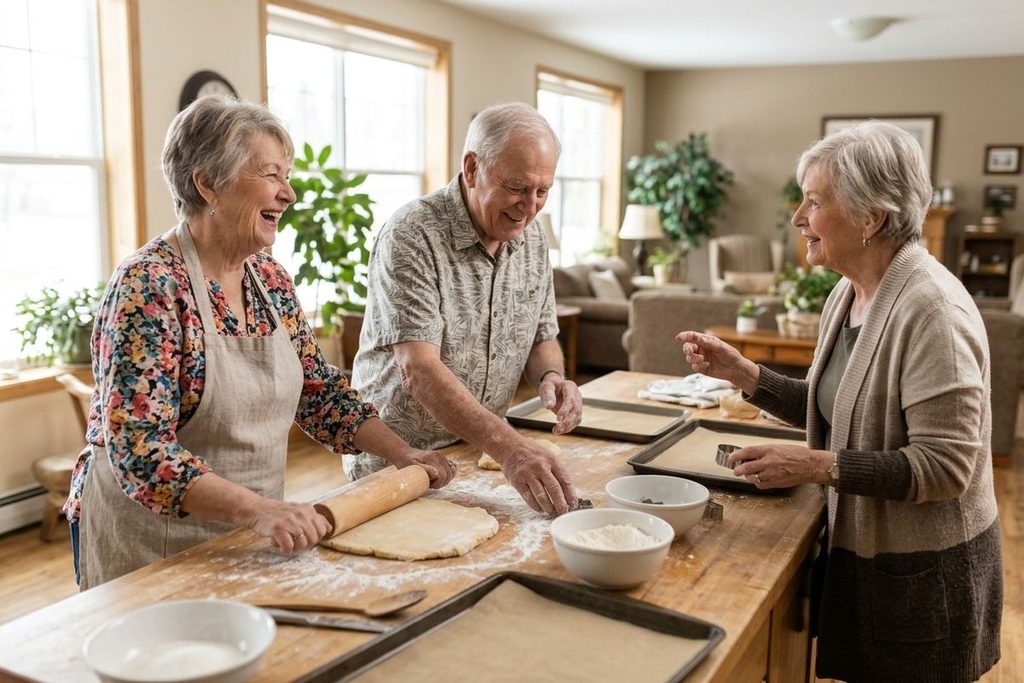
Social events prevent persistent feelings of isolation. Regular group activities give residents a reason to get out of bed every morning. Your loved one can join a baking club or participate in gentle morning stretching classes.
Benefits Of Specialized Dementia Care
Around The Clock Professional Support
Trained team members handle nighttime confusion safely. Your loved one receives gentle help getting back to sleep. Custom care plans match specific personal needs. This continuous support prevents the exhaustion that families face at home.
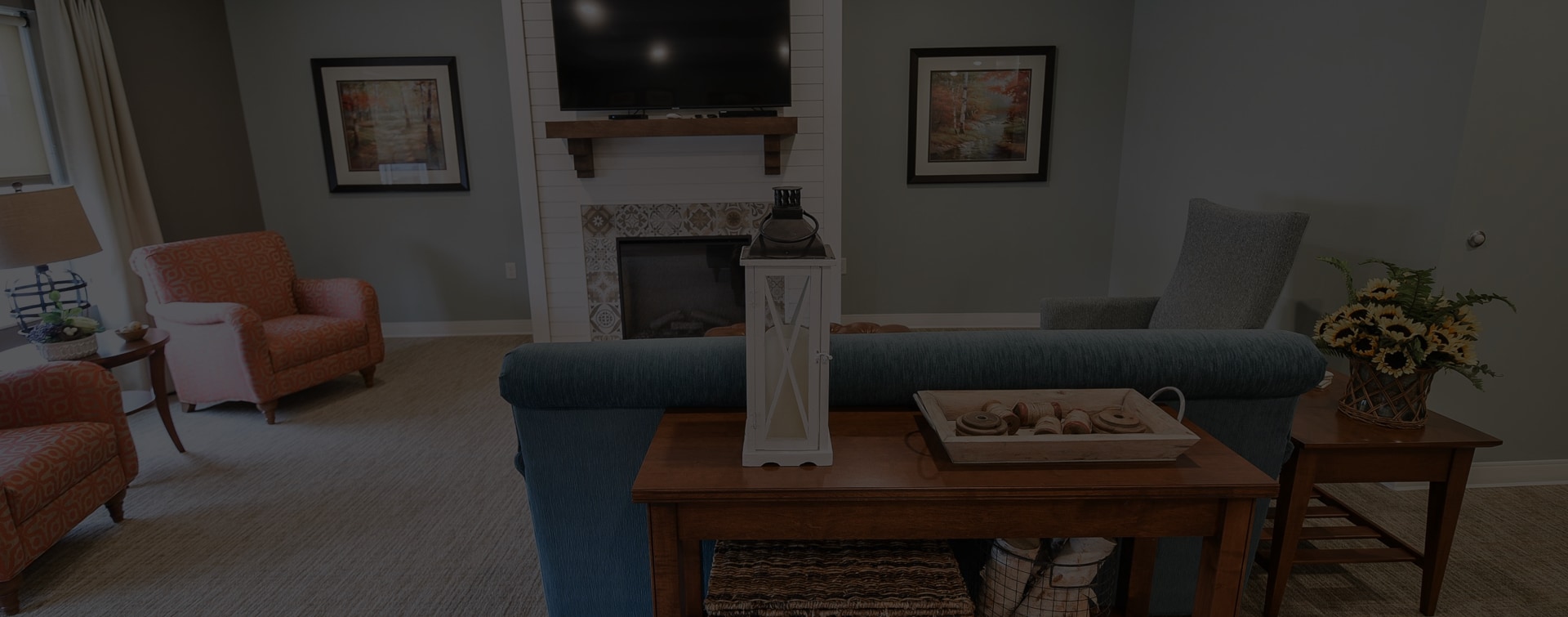
Secure spaces offer freedom without safety risks. Residents can explore their environment safely at their own pace. The thoughtfully designed architecture naturally guides them back to central common areas.
Convenient Access To Medical Care
Doctor visits at home reduce stressful travel to clinics. Your parent can receive primary care right in their own apartment. Mobile urgent response teams handle sudden health needs at any hour.
This quick access keeps care focused on comfort and daily prevention. Immediate attention to minor issues helps prevent severe health complications down the road.
The Core Principles Of Dementia Care
Good senior living communities focus on remaining abilities and simple joys. Team members respond with compassion instead of constant correction.
This approach creates a calm and predictable daily environment. The focus shifts entirely away from what they have lost to what they can still enjoy.
Find Peace Of Mind At Bel Rae Senior Living
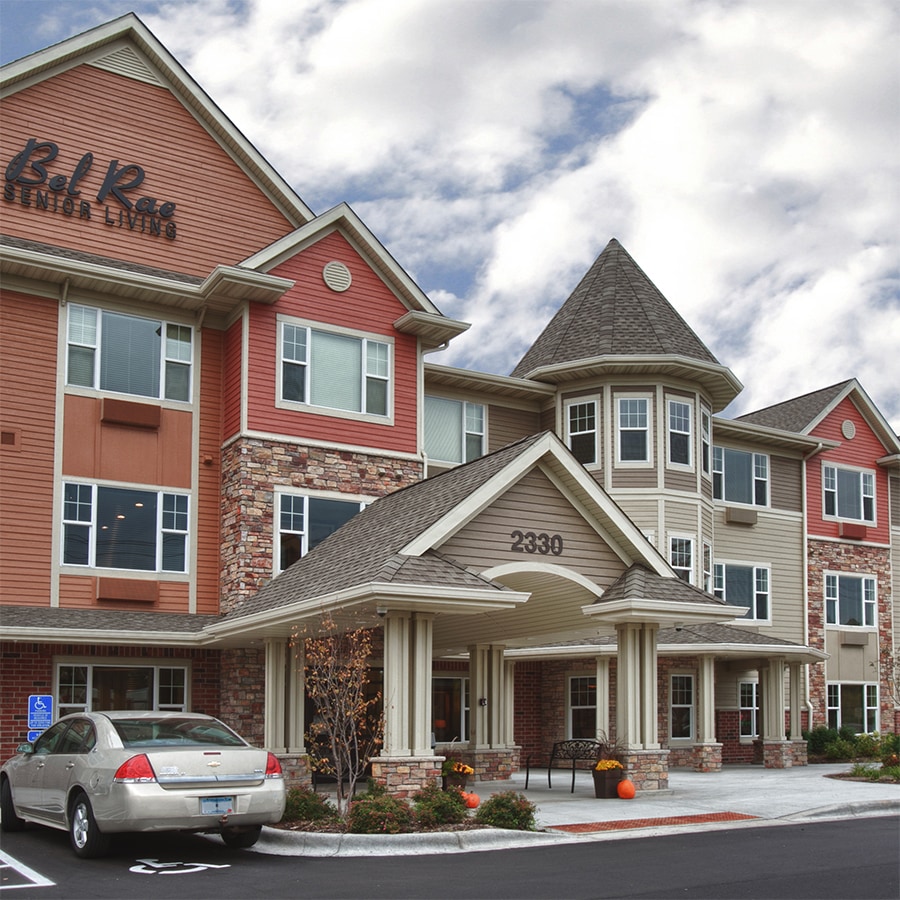
Bel Rae Senior Living offers a warm environment where your loved one can thrive. The community provides independent living, assisted living, and memory care. You can trust the COMPLETE Senior Living model to deliver comprehensive support. This framework pairs community life with consistent medical care.
Primary care at home and 24/7 mobile urgent response keep your parent comfortable. Reach out to the team today to schedule a tour.