

Key Takeaways
- Memory care offers a secure, home-like setting with steady routines and dementia care for people living with Alzheimer’s and other forms of dementia.
- Growing confusion, trouble with daily tasks, and mood changes can signal a need for more support.
- Wandering, missed meals, falls, and time alone are safety signs worth noticing.
- Your own exhaustion matters too.
- A memory check and a community tour can help you take the next step.
When Your Loved One May Need Memory Care
You notice small things at first. Your mom asks the same question 3 times during lunch. Your dad takes a wrong turn on the way home from a store he’s visited for 20 years. These moments can leave you wondering what comes next, and the team at Bel Rae Senior Living can help.
It may be time for memory care when memory changes start to affect your loved one’s safety, daily routines, or happiness, or when caring for them at home leaves you stretched thin. The signs below can help you make sense of what you’re seeing.
What Is Memory Care?
How Memory Care Differs From Dementia
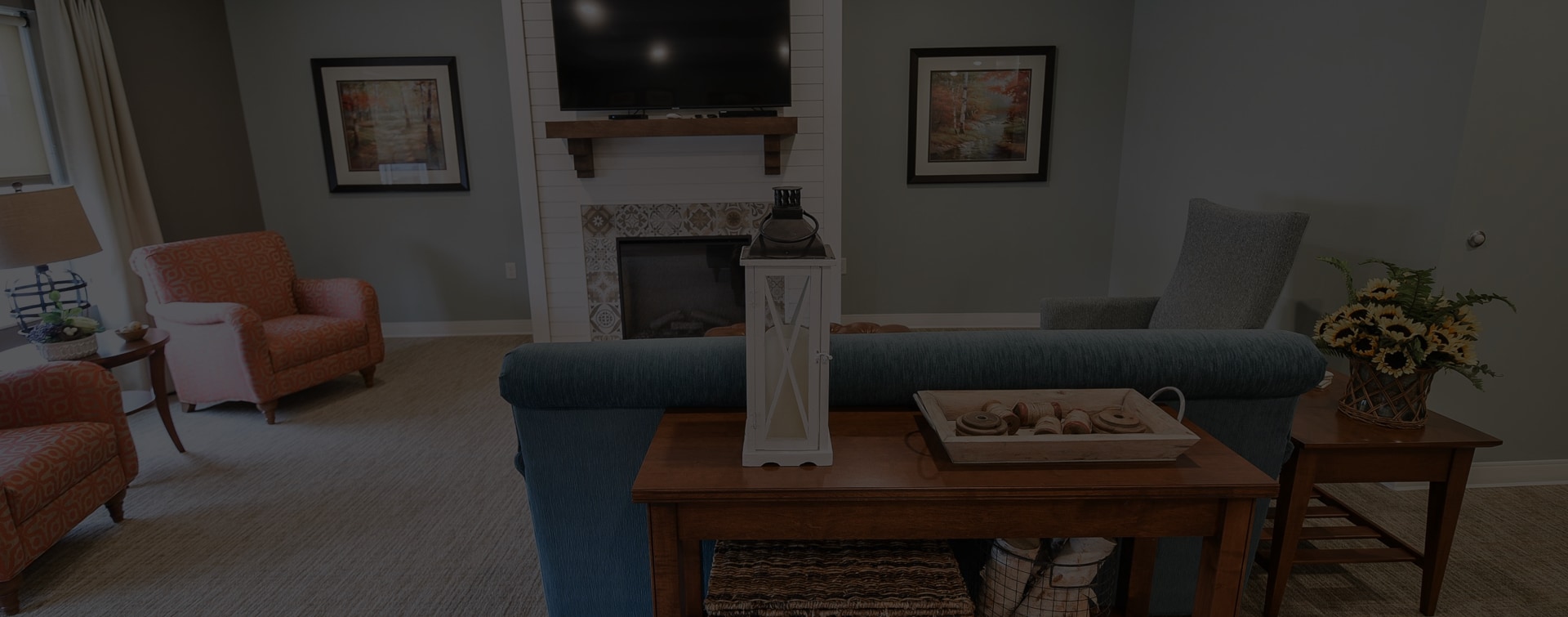
Dementia is the condition. Memory care is the support that helps your loved one live well with it. It offers a secure, home-like setting for people living with Alzheimer’s and other forms of dementia.
Each day follows a steady rhythm. Meals, activities, and rest happen at familiar times, which can help your loved one feel calm and settled.
How It Compares to Other Senior Care
Senior living comes in a few forms, and each fits a different stage of life.
- Independent living suits active older adults who want more time for friends and fun.
- Assisted living adds help with daily tasks like dressing and bathing.
- Memory care adds dementia care and 24/7 support from a trained team.
Early Signs Your Loved One Needs More Support
More Confusion and Memory Loss
Everyone forgets a name now and then. However, pay attention when your loved one forgets familiar faces, places, or daily routines.
You might notice them mixing up morning and evening or thinking they’re somewhere else. Conversations may slow as they search for words.
Trouble With Daily Tasks
Simple tasks can start to feel hard, and your loved one may need help with bathing, dressing, or using the bathroom.
Look for a pill box that’s still full on Friday, or doses taken twice. You may also see the same shirt worn 4 days in a row.
Changes in Mood and Behavior
Mood shifts often feel out of character. Your loved one might seem anxious, swing between moods, or suddenly distrust people they love.
Some people grow restless or upset as the afternoon turns to evening. Personality can shift too. A calm parent might suddenly snap over small things.
Safety and Health Signs to Watch For
Safety Risks at Home
Home can start to hold hidden risks. Watch for these signs.
- Leaving home at odd hours or getting lost on a familiar walk
- A stove burner or iron left on by mistake
- More falls, bruises, or close calls on the stairs

Weight Changes and Missed Meals
Meals tell you a lot. Your loved one may forget to eat lunch or eat it twice. Favorite recipes that once felt easy can become confusing.
Check the fridge for spoiled food or empty shelves. Sudden weight changes are another sign that meals need more support.
Less Time With Friends and Family
Your loved one may skip card nights, family dinners, or hobbies they used to love. Long stretches alone at home can feel lonely.
Memory care offers built-in friendship and daily activities. Your loved one can enjoy music, conversation, and good company. No planning is needed.
Signs You Need More Support Too
When You Feel Worn Out
Caring for someone with dementia takes a lot of heart. You may lie awake worrying about your loved one’s safety or feel pulled between work, kids, and caregiving.
Those feelings are normal, and short-term respite stays give your loved one a safe, welcoming place for a while, so you can rest and recharge.
Time to Be Family Again
Being a caregiver can change your relationship, and you may feel more like a scheduler than a son or daughter.
When a trained team handles daily senior care needs, you get to step back into your role as family. Visits can center on old photos, a favorite song, or a slow walk outside together.
Next Steps Toward Memory Care for Your Loved One
Taking the next step can feel big. These steps can help you move forward.
- Schedule a memory check to learn what support fits.
- Tour senior living communities and meet the care team in person.
- Include your loved one in choices whenever you can.
Bel Rae Senior Living in Mounds View offers independent living, assisted living, and secure memory care in one welcoming community. Schedule a tour to meet the team, see memory care up close, and picture your loved one feeling right at home.